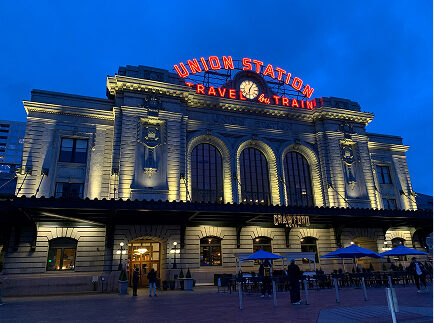
RGBW lighting is designed to create unforgettable visual effects, highlight architectural features, and transform spaces with dynamic color. Unlike standard lighting, RGBW applications are guided by the desired atmosphere, not strict safety regulations. Below are general footcandle targets by application to help guide your project.
Architectural Facade Lighting I Footcandle Targets
Goal: Highlight building features, logos, and structures with color-changing effects. Typical Footcandle Range: 5–30 FC
Notes:
5–10 FC for soft washes
15–30 FC for bold, vibrant facades
Focus on uniformity and color saturation
Common Products:
RGBW Flood Lights
Wall Washers
Landscape and Outdoor Accent Lighting I Footcandle Targets
Goal: Illuminate trees, sculptures, pathways with soft color ambiance. Typical Footcandle Range: 3–15 FC
Notes:
3–7 FC for trees and small sculptures
10–15 FC for large monument features
Common Products:
RGBW Spotlights
In-Ground RGBW Uplights
Event Spaces and Entertainment Venues I Footcandle Targets
Goal: Provide vibrant color and dramatic effects for concerts, galas, and shows. Typical Footcandle Range: 20–100 FC
Notes:
20–50 FC for audience areas
50–100 FC for stage lighting RGBW effects layered with high white light levels
Common Products:
RGBW Stage Wash Lights
Moving Heads
Hospitality and Retail Atmospheres I Footcandle Targets
Goal: Set moods for restaurants, hotels, and branded experiences. Typical Footcandle Range: 5–20 FC
Notes:
5–10 FC for ambient dining lighting
15–20 FC for branded entrances and feature walls
Common Products:
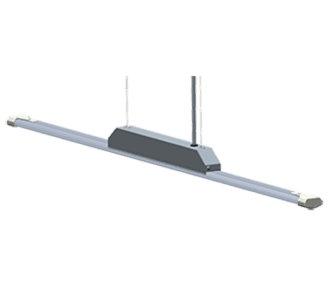
RGBW Linear Grazers
Downlights with Tunable
White/RGBW
Indoor Decorative and Accent Lighting I Footcandle Targets
Goal: Add color effects to walls, ceilings, and corridors. Typical Footcandle Range: 3–10 FC
How to Choose the Right Footcandle Level for RGBW Projects
Choosing the correct footcandle level in RGBW lighting is about balancing aesthetic goals with practical visibility. Here’s a more detailed breakdown to guide your decision:
1. Define the Purpose of the Lighting
Accent Lighting: If you’re simply highlighting a building feature, tree, or sculpture, you only need 5–15 FC to create a soft, dramatic look.
Color Washes: For an entire wall, plaza, or building wash where the entire surface needs visible color, aim for 15–30 FC. Performance or Entertainment
Lighting: Stages, arenas, and events demand much higher brightness — 50–100 FC — to maintain color vibrancy under ambient conditions (like other light pollution, camera filming, etc.).
Accent Lighting
Color Washes
RGBW - Performance or Entertainment Lighting
2. Understand Viewing Distance and Size of the Target
Close viewing (10–30 ft): Lower footcandles (5–15 FC) can still look vibrant.
Distant viewing (30+ ft, like tall buildings): Requires higher footcandle levels (20–50+ FC) because human eyes perceive distant color and light at lower intensity.
3. Assess Surface Reflectivity and Texture
Light Surfaces (white, concrete, stone): Reflect light well. You can achieve a strong look with lower footcandle levels.
Dark Surfaces (brick, wood, dark metal): Absorb more light. Increase brightness by 10–30% to achieve the same visual effect.
🔹 Pro Tip: If you’re unsure, plan for 20% more footcandles than you think you need — you can always dim down with controls, but you can’t easily add brightness after install.
4. Account for Environmental Lighting
Dark rural environments: Lower footcandles (5–15 FC) will stand out clearly.
Urban or high-ambient light areas: You’ll need stronger RGBW output (20–40+ FC) to “cut through” city light pollution and maintain color integrity.
Important Design Considerations for RGBW Lighting Projects
Successful RGBW installations aren’t just about brightness — they require thoughtful design choices to maximize color richness, flexibility, and longevity. Here’s what to keep in mind:
1. Color Brightness Isn't Equal Across All Channels
White LEDs are typically much brighter than colored LEDs. Red and blue LEDs have noticeably lower lumen output than green or white. Solution: Always verify the fixture’s RGBW channel ratios and plan layouts assuming slightly lower brightness when using full color scenes.
2. Select the Right Beam Angle
Narrow Beam (10°–30°): Focused highlights on tall architectural elements or narrow trees. Medium Beam (30°–60°): General accent lighting for walls, signage, and columns. Wide Beam (60°–120°): Full wall washes or large area color baths.
🔹 Pro Tip: Use narrower beams for distant or tall structures to concentrate footcandle delivery.
3. Plan for Color Uniformity
Uneven lighting makes RGBW effects look patchy or uneven.
Always overlap beams slightly (10–20%) during design.
Use fixtures with high color mixing capability to avoid color banding on walls and surfaces.
4. Consider Maintenance Factors
Lumen Depreciation: LEDs slowly lose brightness over years (~20% loss after 50,000 hours). Color Shift Over Time: Lower-quality RGBW fixtures can shift color temperature slightly as they age.
Solution:
Use high-quality fixtures rated for architectural or entertainment grade use.
Design photometric layouts with an extra 10–20% brightness buffer.
5. Integrate Smart Lighting Controls
Scene Programming: Pre-set scenes (color cycles, fades, strobes) based on event types. Dimming Capabilities: Critical to adjust brightness levels for different times of day or events. Remote Access: Use DMX, Bluetooth, or network control systems to fine-tune lighting without physical access to every fixture.
6. Environmental Durability for Outdoor RGBW Projects
Make sure fixtures are:
IP65 or higher for outdoor use (dust-tight and water-resistant)
UV-stabilized lenses to prevent yellowing
Surge-protected if near heavy electrical loads (important for large buildings)
Summary Cheat Sheet for Users:
Turn-Key LED Solutions for Maximum ROI Fill out this form to be contacted in 15 minutes or less.
Fill out this form to be contacted in 15 minutes or less
This website uses cookies to provide you with an improved user experience. By continuing to browse this site, you consent to the use of cookies and similar technologies. For more info visit: Privacy policy.