

Key Features
- 3 beam angles: 60°, 90°, 120°
- 4,000–16,000 lumen output
- CCT and wattage selectable
- 120–347V or 277–480V input
- Mounting: trunnion, wall, pendant, pole, ceiling
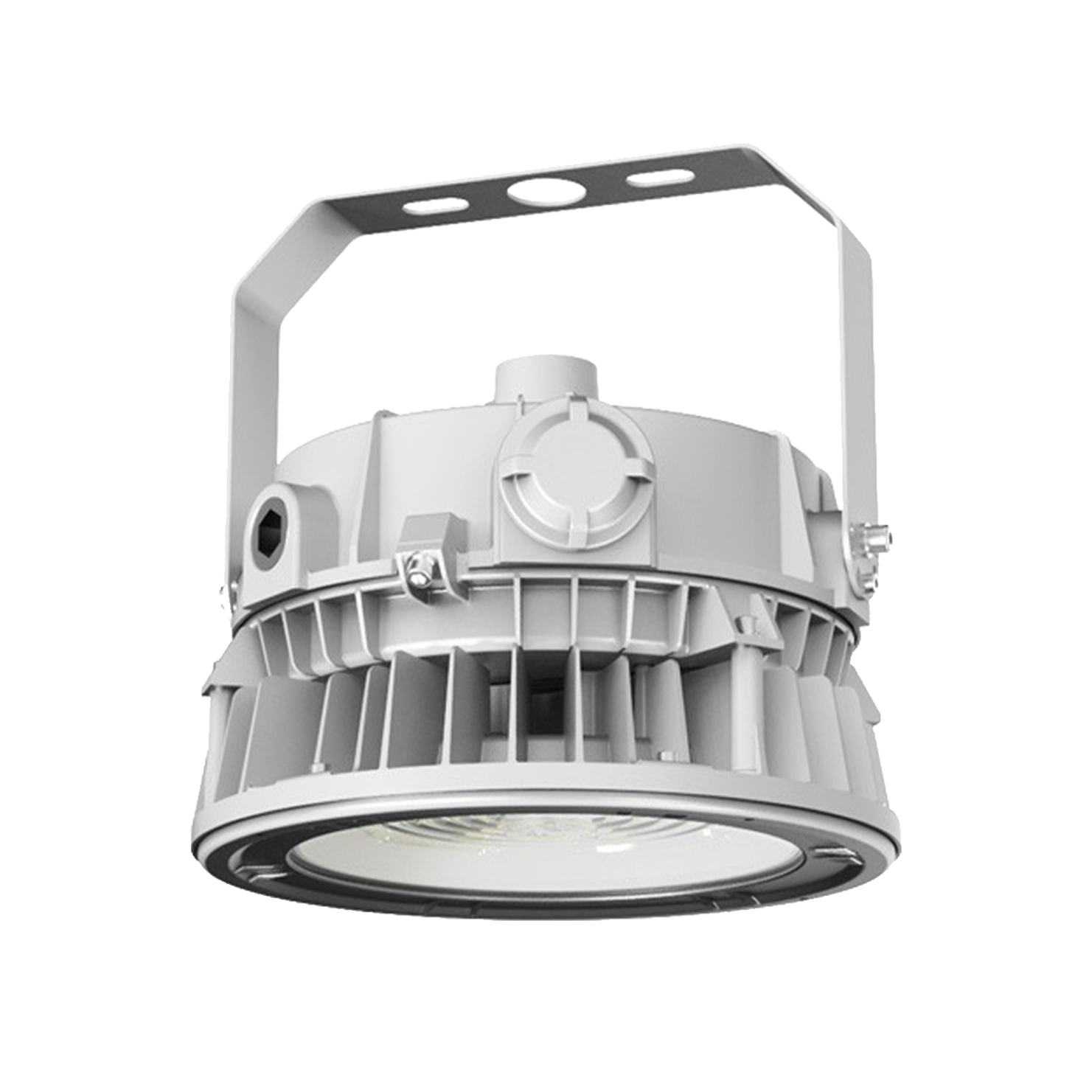
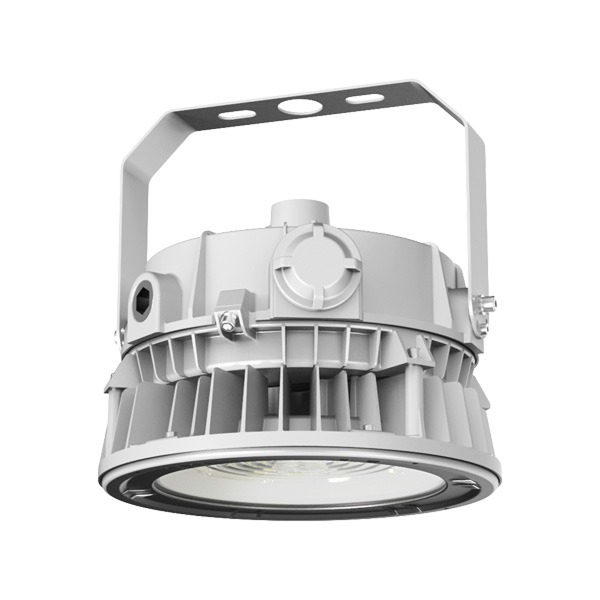
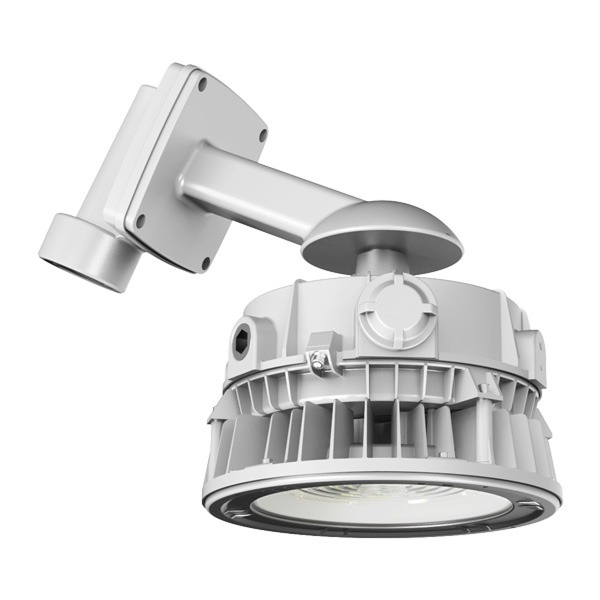
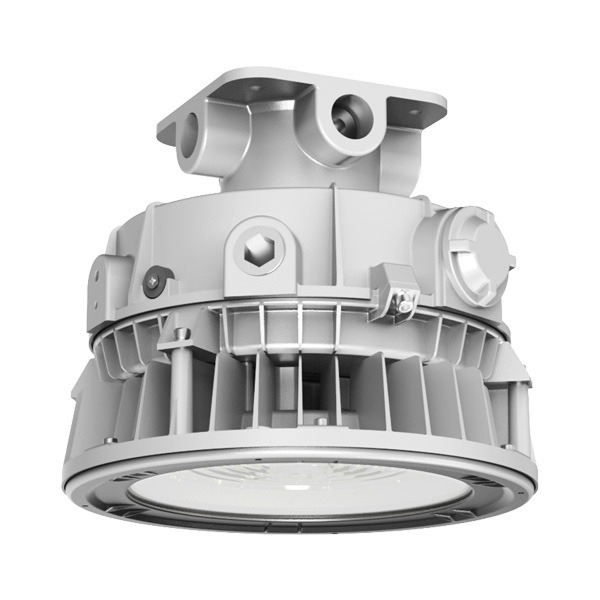


The SafeDome offers superior design, reliable performance, and lasting durability for demanding and hazardous environments. Built with a smart structure and engineered for versatility, it supports multiple installation options and fits effortlessly into industrial facilities and port operations. Its rugged cast aluminum body, protected by a durable epoxy finish and tempered glass lens, ensures outstanding resistance to harsh conditions and a long service life, delivering dependable illumination where it’s needed most.
Electrical
Construction
The SafeDome offers superior design, reliable performance, and lasting durability for demanding and hazardous environments. Built with a smart structure and engineered for versatility, it supports multiple installation options and fits effortlessly into industrial facilities and port operations. Its rugged cast aluminum body, protected by a durable epoxy finish and tempered glass lens, ensures outstanding resistance to harsh conditions and a long service life, delivering dependable illumination where it’s needed most.
Electrical
Construction
Hazardous-location LED fixtures are built to operate safely in environments where flammable gases, vapors, dust, or fibers may be present. They are engineered to contain sparks, withstand high-impact conditions, and prevent ignition. Ratings like Class I, II, III and Division 1 or 2 define which environments the fixture is safe for.
It depends on what is present in your space.
Yes. LED hazardous fixtures offer longer lifespan, higher efficiency, and far less maintenance. They hold up to vibration, moisture, corrosion, extreme temperatures, and misuse. LEDs also eliminate warm-up times and reduce the need to enter dangerous areas for frequent re-lamp and ballast replacement.
You should look for UL, ETL, CSA, or IECEx certifications, depending on your facility’s requirements. Important markings include Class/Division ratings, Temperature Codes (T-Codes), IP66 or higher, and impact ratings like IK10. These ensure the fixture meets strict safety standards for your specific environment.
The T-Code tells you how hot a fixture gets during operation. Every hazardous environment has a maximum allowed surface temperature. Choosing a fixture with the correct T-Code ensures it will not ignite the gases, vapors, or dust present in your facility.
Yes, they must be installed following NEC, OSHA, and local code requirements. Hazardous fixtures cannot be opened or serviced while energized. The good news is that LED options significantly reduce maintenance because there are no lamps or ballasts to replace. Once installed, they provide long-term, trouble-free performance with minimal servicing.


